
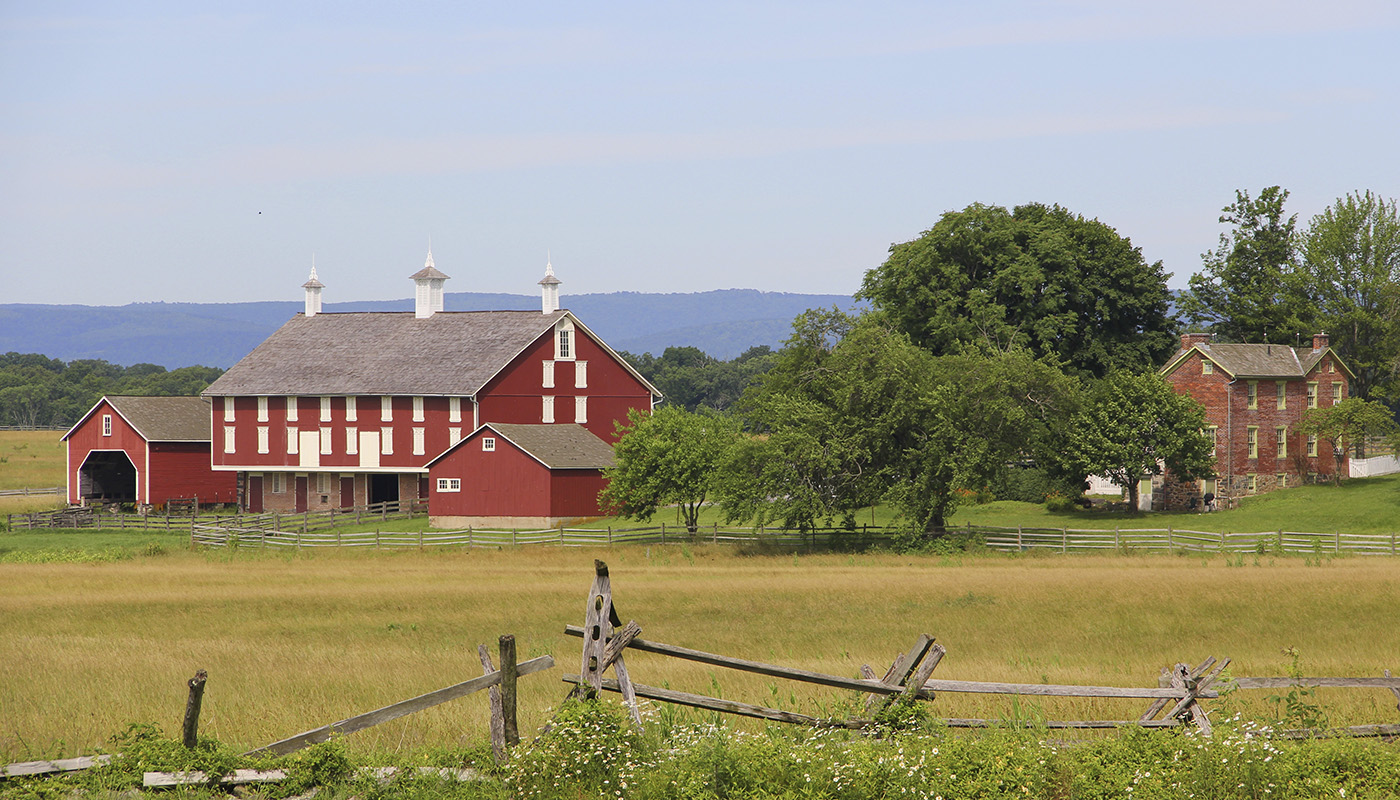
Preserving local history requires more than maintaining old buildings, because the objects kept inside them often provide equally important evidence of how earlier generations lived. At the Henry Law Farm in Harrison County, nearly a year of cataloging work has now documented approximately 10,000 historic items, creating a detailed record of a property that has remained in the same family for more than a century.
Also known as the Law Reed Huss Farm, the property is located near the western ends of Tappan Lake and Willis Run Bay, at the intersection of Plum Run and Reed Roads. Bill Huss and members of the Huss and Reed families recently held an open house to mark completion of the cataloging project.
The farmhouse already holds historic recognition based on its long period of continuous family ownership. An Ohio certificate displayed inside the home recognizes the property for remaining under the ownership of the same family for at least 100 years, honoring both the founders and later generations who preserved the land.
The new catalog considerably expands that preservation effort. Rather than documenting the farmhouse alone, the project records thousands of objects that illustrate domestic life during the late nineteenth and early twentieth centuries.
Inside the Henry Law Farm collection
Art historian David Kencik led the cataloging work, which took nearly a year to complete. Kencik studied at Ohio University, where the Museum Studies program initially attracted the attention of Bill Huss when the family began considering how to document the collection properly.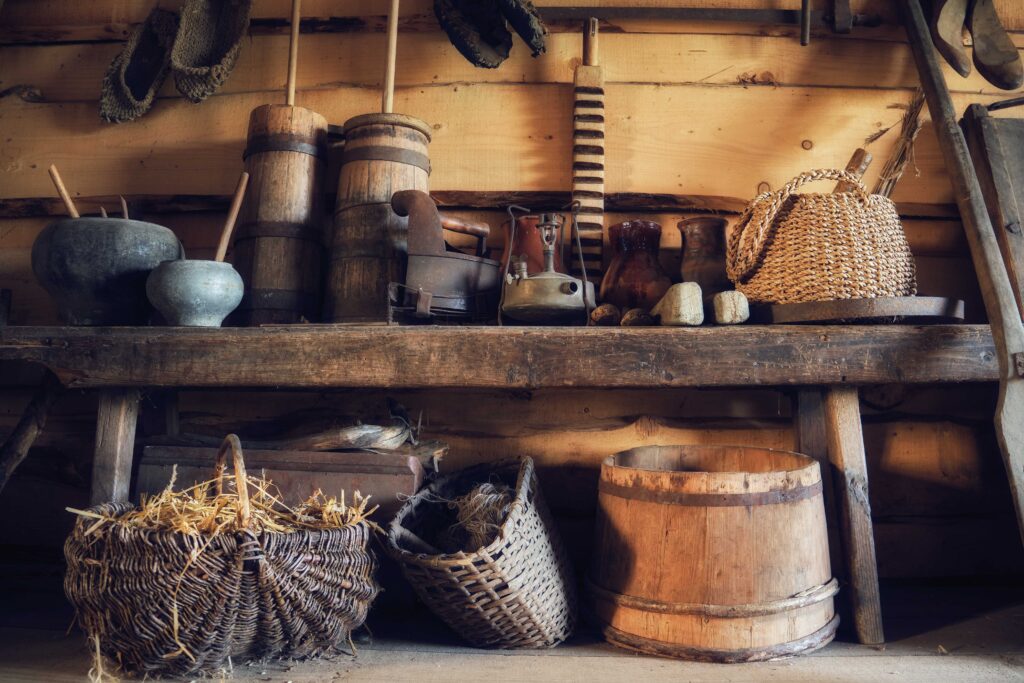
During the open house, Kencik provided visitors with information about the rooms, furnishings and household objects preserved throughout the property. Bookshelves appear in numerous rooms, reflecting both the interests of the family and the broader importance of reading during a period before radio and television became standard household entertainment. Among the objects documented in the living areas are:
- A Victorian-style couch made with woven and dyed horsehair, still preserved in near-mint condition.
- Numerous books covering different subjects.
- Historic certificates documenting the farm’s continuous family ownership.
- Period furniture retained as part of the original household setting.
The parlor contains another substantial group of domestic objects. Unlike a conventional museum collection organized around one category, the Henry Law Farm preserves furniture, music, books, and everyday household equipment together in the rooms where such items would traditionally have been used.
Notable objects in the parlor include:
- A piano and accompanying sheet music.
- A large crock.
- A writing desk with pens and an ink container.
- A hope chest and brass-framed bed.
- Another extensive bookshelf.
- A hardwood game table with a rotating top and hidden compartment for cards, dice, or other game pieces.
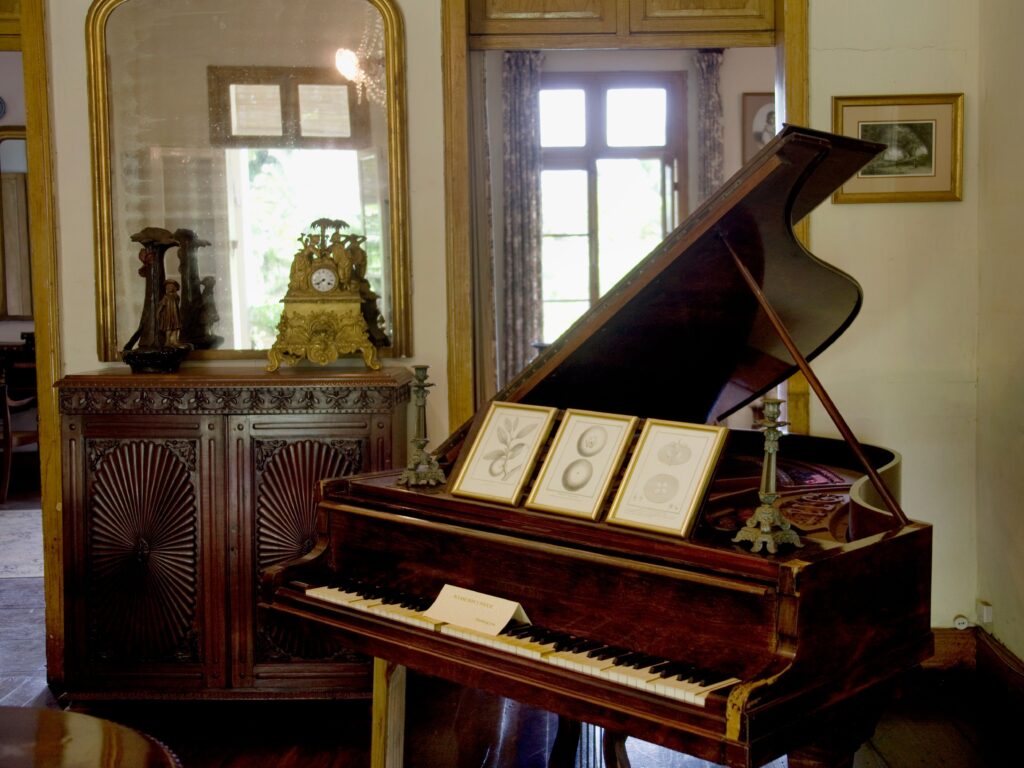
The interiors themselves also contribute to the historical record. Several rooms feature reproductions of ornate Victorian wallpaper, including jewel-toned designs and decorative patterns incorporating wreaths, ribbons and moths. Kencik explained that wallpaper was particularly common when available paint colors were comparatively limited, while advances in paint production later expanded interior decorating possibilities.
Cataloging approximately 10,000 individual objects gives the Henry Law Farm a more complete record of its contents and establishes a basis for preserving information about each item. Combined with the farmhouse’s existing historic designation and more than a century of family ownership, the completed project documents not only the property itself but also the everyday material history retained by successive generations of the Law, Reed and Huss families.